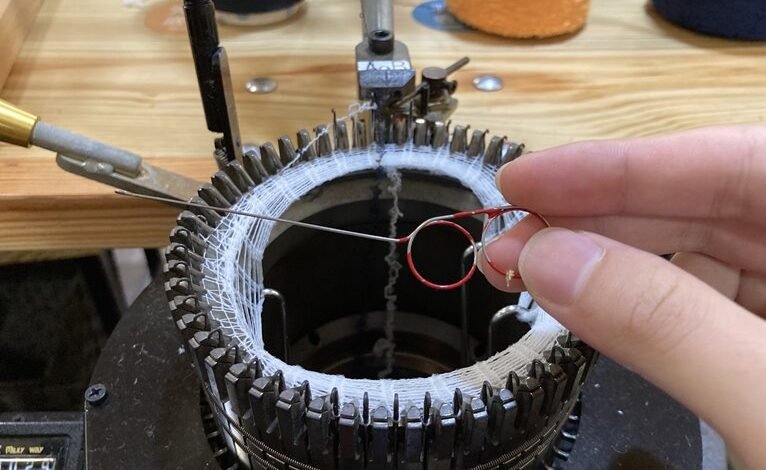
Stierling machines represent a class of precision automation built around closed-loop control, rigid frames, and modular sensing. Key features deliver tight tolerances, high cycle rates, and dependable repeatability under varied loads. The guide aligns real-world gains in productivity with maintenance strategies, wear-resistance considerations, and optimized lubrication. A structured buyer framework surfaces evaluation criteria and total cost of ownership. The discussion points to trade-offs between performance and compatibility, inviting a deeper look at how these choices affect long-term viability.
What Are Stierling Machines and Why They Matter
Stierling machines are precision-engineered industrial devices that perform automated tasks with high repeatability and controlled tolerances.
What are stierling, why they matter, and how to choose inform evaluation criteria and buyer checklist.
Core features that drive predictable output align with real world benefits, enabling lean operations.
This framework guides decisions, balancing performance, compatibility, and risk while preserving operational freedom.
Core Features That Drive Precision, Speed, and Reliability
The core features driving precision, speed, and reliability in Stierling machines center on closed-loop control, rigid mechanical design, and intelligent automation. Precision control enables tight tolerances under varying loads, while robust actuators sustain repeatable cycles. Automation potential aligns with modular sensing and adaptive sequencing; durability metrics track wear resistance. Energy efficiency emerges from optimized drive topology, minimizing power while maintaining performance.
Real‑World Benefits: Productivity, Maintenance, and Longevity
Could real-world deployment of Stierling machines meaningfully boost metrics such as output per hour, mean time between failures, and total productive maintenance windows?
The analysis indicates measurable gains in real world productivity through streamlined cycle times and proactive sensing.
Maintenance benefits arise from modular diagnostics and scheduled servicing, while longevity insights point to reduced wear patterns, improved lubrication regimes, and extended asset life.
How to Choose Your Stierling Model: Criteria and Buyer Checklist
Selecting the appropriate Stierling model hinges on aligning application requirements with device capabilities, where throughput targets, cycle rigidity, and environmental constraints drive specification trade-offs.
How to choose focuses on choosing criteria, nuanced performance envelopes, and integration fit.
A buyer checklist clarifies procurement decisions, validating operability, serviceability, and total cost of ownership while ensuring compatibility with downstream processes and compliance requirements.
Frequently Asked Questions
How Do Stierling Machines Compare to Traditional Milling Tools?
Stierling versus conventional: Stierling machines deliver tighter tolerances, higher rigidity, and automated control, outperforming traditional milling tools. Industrial versus hobbyist usage highlights scalable precision for production. They enable repeatable results, faster cycle times, and improved surface finishes.
What Safety Standards Govern Stierling Machine Operation?
“Essentially, safety standards govern stierling machine operation through regulatory frameworks; they stipulate Safety compliance, PPE requirements, machinery guarding, risk assessments, and ongoing audits, ensuring operators maintain high control, while the institution preserves a freedom-to-operate mindset.
Can Stierling Machines Be Retrofitted to Existing Setups?
Yes, retrofitting stierling machines is feasible under labeled interfaces; assessment addresses retrofit feasibility, compatibility, and safety. For hobbyist accessibility, modular adapters and reversible modifications optimize integration while preserving control integrity and calibration accuracy.
What Is the Typical Return on Investment Timeline?
The typical return on investment timing for Stierlingmaschinen projects varies, but a robust cost benefit analysis often yields 18–36 months. In-depth assessment emphasizes machine uptime, throughputs, and maintenance, guiding capital budgeting and strategic deployment decisions.
Are Stierling Machines Suitable for Hobbyist Use?
Stierling machines can be suitable for hobbyists. A hypothetical maker demonstrates hobbyist accessibility with a compact model and modular tooling. Beginner friendly setup supports gradual capability growth, though professional calibration enhances precision.
Conclusion
Stierling machines fuse closed‑loop control with a rigid, modular architecture to deliver consistent precision, speed, and reliability. The design emphasizes proactive maintenance, wear‑resistant limbs, and optimized lubrication, translating to lower total cost of ownership and longer asset life. When selecting a model, practitioners should align performance envelopes with workload profiles and integration capabilities, guided by a structured buyer checklist and evaluation criteria. In this landscape, choosing the right configuration is choosing the cadence of productivity—like a metronome sustaining the factory’s pulse.