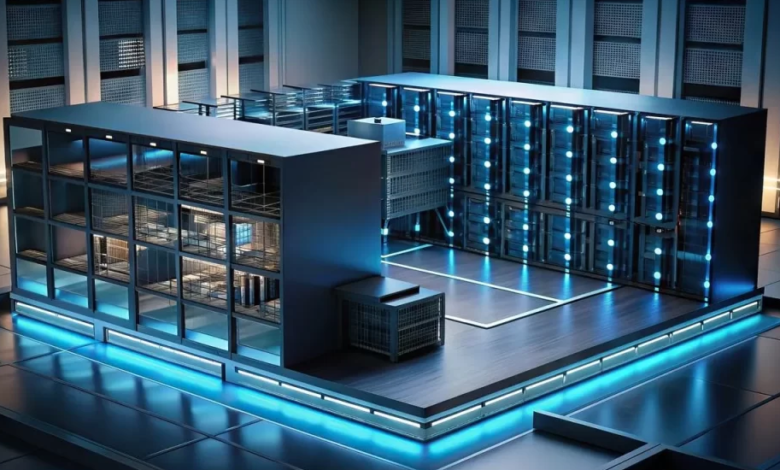
In today’s rapidly evolving digital landscape, businesses are increasingly relying on robust, scalable, and energy-efficient data solutions. Among the innovative approaches transforming IT infrastructure, module data centers have emerged as a game-changer. Combining flexibility, rapid deployment, and cost-effectiveness, these modular solutions are redefining how organizations manage their data and computing needs.
What is a Module Data Center?
A module data center (MDC) is a prefabricated, scalable, and standardized data center that can be rapidly deployed to meet the growing demands of modern IT operations. Unlike traditional brick-and-mortar data centers, modular designs are built in factory-controlled environments, allowing for precise quality control, faster construction, and predictable performance.
These data centers consist of pre-engineered components or “modules” that can include server racks, cooling systems, power supply units, and network equipment. Modules are designed to integrate seamlessly, enabling businesses to expand their capacity in phases as their requirements grow.
See also: Why EV Charger Installation in Telford is the Smart Move for Homeowners
Key Features of Module Data Centers
- Scalability
Modular designs allow organizations to add or remove modules based on demand. This flexibility ensures that data center resources are never underutilized or overwhelmed. - Rapid Deployment
Since modules are prefabricated offsite, the installation and commissioning process is significantly faster than traditional construction. This makes MDCs ideal for organizations with urgent IT requirements. - Energy Efficiency
Many module data centers are designed with advanced cooling and energy management systems, reducing overall operational costs and environmental impact. - Cost-Effectiveness
By avoiding lengthy construction timelines and leveraging standardized components, MDCs often provide a lower total cost of ownership compared to conventional data centers. - Mobility and Relocation
Certain module data centers are portable and can be relocated to different sites with minimal disruption, making them suitable for temporary projects or evolving business needs.
Advantages of Implementing Module Data Centers
- Flexibility: Businesses can scale infrastructure gradually, minimizing the risk of over-provisioning.
- Reliability: Factory-tested modules ensure consistent quality and performance.
- Speed: Deployment times can be reduced from months to weeks.
- Sustainability: Optimized power and cooling systems contribute to greener operations.
- Customization: Modules can be tailored to specific workloads, such as high-performance computing or edge computing.
Use Cases for Module Data Centers
- Edge Computing
MDCs can be deployed closer to end users to reduce latency and improve application performance. - Disaster Recovery
Organizations can quickly deploy modular data centers at backup sites to ensure business continuity. - Temporary or Event-Based IT Infrastructure
Large events, research projects, or construction sites can benefit from portable and temporary module data centers. - Cloud Service Expansion
Cloud providers can expand capacity in strategic locations without committing to large-scale construction projects.
Challenges to Consider
While module data centers offer many benefits, organizations should consider certain challenges:
- Integration Complexity: Integrating modular systems with existing IT infrastructure may require specialized expertise.
- Physical Space Requirements: Modules still require a designated site with proper access and foundation support.
- Regulatory Compliance: Some industries may have strict compliance standards that require additional customization.
Frequently Asked Questions (FAQs)
Q1: How is a module data center different from a traditional data center?
A module data center is prefabricated, scalable, and deployable in a fraction of the time, whereas traditional data centers are custom-built onsite and typically involve longer construction periods.
Q2: Can module data centers be expanded?
Yes, modular data centers are designed for scalability. Additional modules can be added seamlessly to increase computing power and storage capacity.
Q3: Are module data centers energy-efficient?
Yes, they often include advanced cooling and energy management systems, making them more environmentally friendly than conventional setups.
Q4: Where can module data centers be deployed?
They can be deployed virtually anywhere with suitable infrastructure, including urban, rural, and even remote locations.
Q5: What types of businesses benefit most from MDCs?
Organizations with fluctuating IT demands, edge computing needs, temporary projects, or disaster recovery requirements benefit significantly from modular solutions.
Conclusion
The module data center represents a significant evolution in IT infrastructure. By offering flexibility, rapid deployment, energy efficiency, and cost savings, MDCs empower organizations to respond quickly to business demands while maintaining reliable and scalable operations. As technology continues to advance, modular data centers are poised to become a cornerstone of modern digital strategies, helping businesses stay agile and competitive in an increasingly data-driven world.